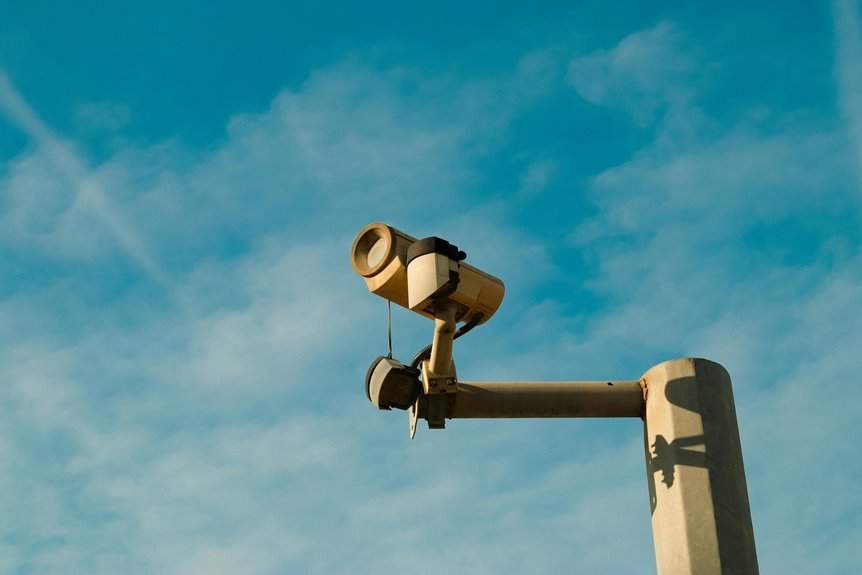
Safety Monitoring Overview of 16304875143 and Incident Records
The safety monitoring overview for project number 16304875143 reveals critical insights into safety compliance and risk management. Regular audits and thorough incident record analysis have uncovered significant trends and recurring safety issues. These findings inform targeted strategies aimed at enhancing safety protocols. However, the implications of these trends extend beyond immediate fixes. Understanding their broader context is essential for fostering a robust safety culture. What further improvements can be derived from this analysis?
Overview of Project 16304875143
Project 16304875143 represents a significant initiative aimed at enhancing safety monitoring protocols across various sectors.
The project’s timeline outlines critical phases for implementation, ensuring timely progress while accommodating stakeholder engagement.
Engaging stakeholders is vital for gathering diverse insights and fostering collaborative solutions. This strategic approach enhances the project’s adaptability, ultimately contributing to a robust framework that supports safety across multiple environments.
Safety Monitoring Protocols
Implementing effective safety monitoring protocols is essential for mitigating risks and ensuring compliance with regulatory standards. This involves conducting regular safety audits and comprehensive risk assessments to identify potential hazards.
Incident Records Analysis
Analyzing incident records is crucial for understanding safety trends and pinpointing areas for improvement within an organization’s safety framework.
Effective record management enables organizations to identify recurring incidents and analyze their underlying causes.
Recommendations for Improved Safety Measures
Identifying trends from incident records naturally leads to the formulation of recommendations aimed at enhancing safety measures.
Implementing rigorous risk assessments and comprehensive hazard identification processes is essential. Organizations should prioritize continuous training for staff, integrate advanced monitoring technologies, and establish clear communication channels.
Such proactive strategies will mitigate risks, foster a culture of safety, and ultimately protect individuals’ rights to a safe environment.
Conclusion
In conclusion, project 16304875143 exemplifies the necessity of rigorous safety monitoring, akin to a well-tuned orchestra where each instrument must harmonize to create a safe environment. The insights drawn from incident records illuminate areas for improvement, guiding the development of proactive strategies. As the project navigates the complexities of safety protocols, it lays the groundwork for a resilient framework that not only protects individuals but also cultivates a culture where safety is paramount, echoing the age-old adage that prevention is better than cure.